
 See Our Latest Article on HelloNation
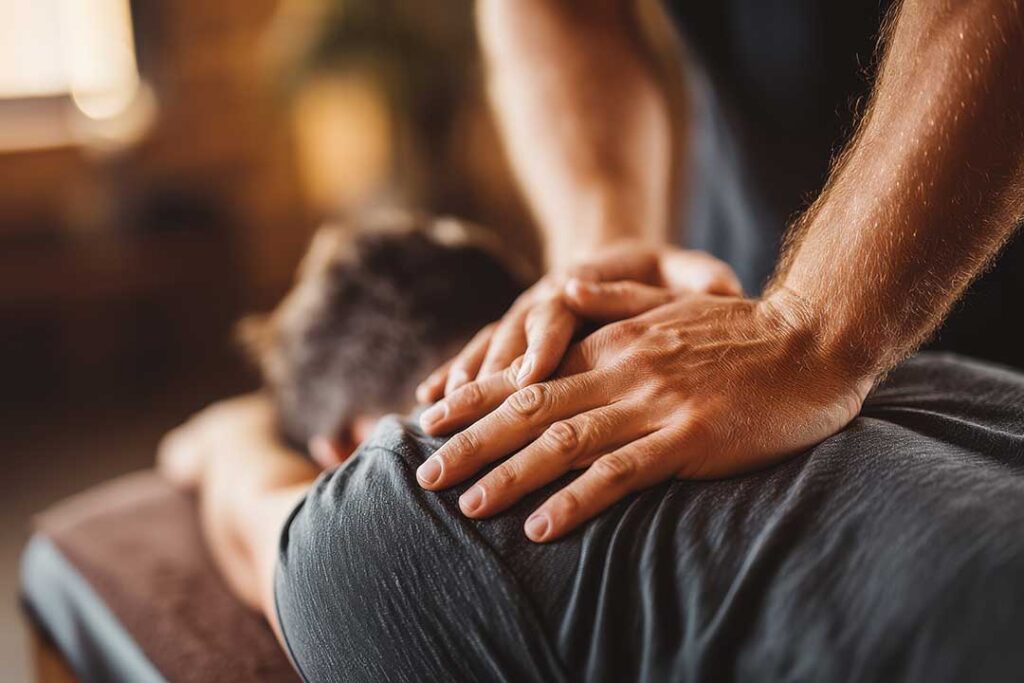
Can Chiropractic Adjustments Affect PMS Symptoms?
Chiropractic adjustments may help some people manage PMS symptoms, but effects vary from person to person. Chiropractic care does not address the hormonal causes of PMS directly, but some individuals in Kingsbury, NY have reported relief from issues like cramping, back pain, and emotional discomfort by improving spinal mobility and addressing musculoskeletal tension.
What is PMS and How Does It Affect Daily Life?
Premenstrual Syndrome (PMS) refers to a group of symptoms experienced by many women in the days leading up to their menstrual period. These symptoms can include:
- Mood swings or irritability
- Physical discomfort such as bloating or cramps
- Headaches or back pain
- Fatigue and trouble sleeping
Many in the community find PMS makes daily routines, work, or caring for household needs more challenging, especially during colder months when residents are often indoors and less physically active.
How Could Chiropractic Adjustments Play a Role?
Chiropractic adjustments aim to improve spinal function and reduce nerve irritation. While not a treatment for PMS itself, these adjustments can help reduce tension and pain in the lower back, pelvis, or hips—areas that often become sensitive or tight during a menstrual cycle.
Some residents have noticed that with less back or pelvic discomfort, other PMS symptoms feel less overwhelming. This is likely because decreased physical pain makes it easier to manage emotional and mental stressors.
Are There Scientific Studies Linking Chiropractic Care to PMS Relief?
There is limited scientific research directly connecting chiropractic adjustments and significant reductions in PMS symptoms. Most available studies are small or anecdotal. However, some evidence suggests that spinal adjustments may help with:
- Muscle tension and spasms
- Chronic lower back pain, which can worsen before or during a period
- Improvement in sleep, which may ease fatigue
Local practitioners often hear from patients about improvements, but these experiences are not universal. Those experiencing severe PMS (especially symptoms that disrupt daily life) are generally encouraged to speak with a primary care provider.
What Types of PMS Symptoms Might Respond to Spinal Adjustments?
Chiropractic adjustments are most likely to help with:
- Lower back pain: By improving joint movement and reducing muscle strain
- Headaches and neck pain: By addressing tension in the back and neck
- General discomfort: Some people report feeling less bloated or tense overall
Not all symptoms respond equally. Issues related to hormones—such as bloating, nausea, or emotional changes—may be less affected.
Are There Risks or Downsides to Spinal Adjustments for PMS?
In healthy adults, spinal adjustments are generally considered safe when performed by licensed professionals. However:
- Some people experience mild soreness after an adjustment
- Individuals with certain health conditions (such as severe osteoporosis or bleeding disorders) should avoid some chiropractic techniques
- Results depend on the individual and may not match anecdotal success stories
It is wise to discuss any menstrual disorders or history of reproductive health concerns before starting any form of manual therapy.
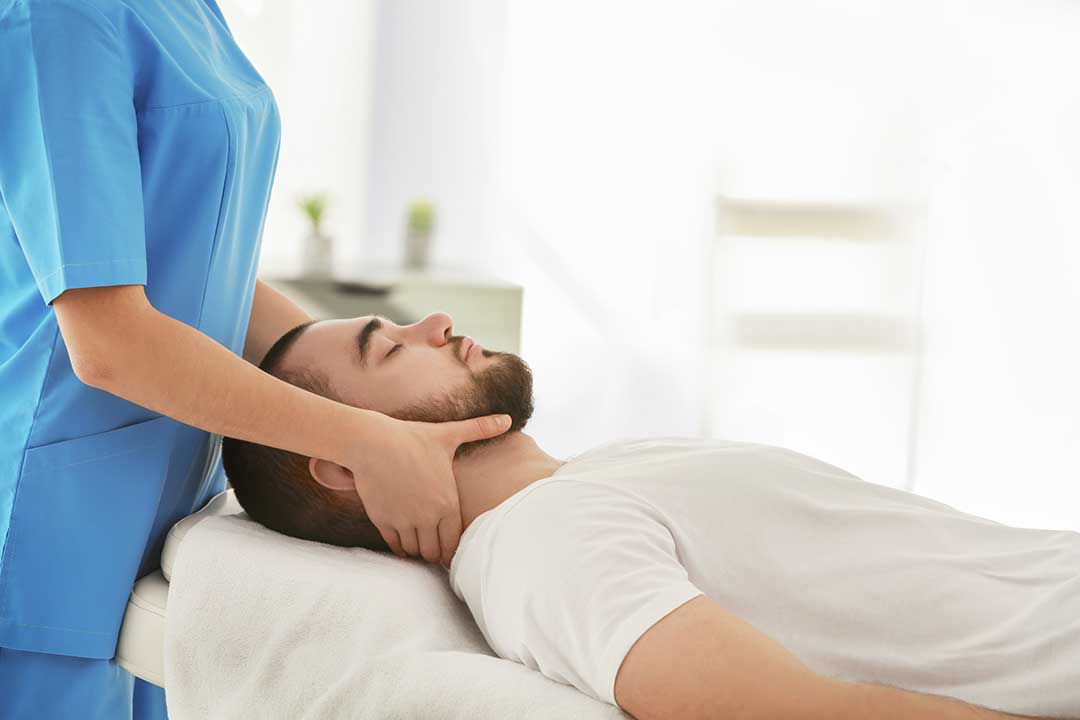
What Do Local Residents Usually Ask About Chiropractic and PMS?
Residents in Kingsbury often want to know if anything non-pharmaceutical can ease PMS discomfort, particularly options that do not require ongoing medication or supplements. Common local questions include:
- "Could spinal adjustments reduce back pain or cramping?"
- "Is chiropractic care a regular part of PMS management, or just for severe cases?"
- "How many sessions might be useful, and do benefits last?"
While responses will vary, most find that occasional adjustments may provide temporary relief for muscular discomfort. Chiropractic is viewed as a supportive approach alongside self-care, healthy movement, and nutrition.
What Self-Care Strategies Work Well With Chiropractic Adjustments?
Combining chiropractic care with personal self-care routines tends to offer the most benefit for PMS symptom management. Local residents often pair spinal adjustments with:
- Gentle stretching or yoga at home
- Warm baths or local heating pads, especially during the cold north country winters
- Regular physical activity, such as brisk walks on community trails
- Adequate hydration and balanced nutrition, focusing on whole foods
As always, changes to fitness or diet should be made with consideration of individual health status and comfort.
When Should Residents Seek Medical Advice for PMS Symptoms?
For most in the area experiencing mild discomfort, chiropractic adjustments and lifestyle changes can help ease daily life. However, anyone noticing:
- Severe pain that limits work or daily activities
- Unusual bleeding or cycle changes
- Sudden new or worsening symptoms
should talk with a healthcare provider to rule out underlying conditions such as endometriosis or hormonal imbalances.
