
 See Our Latest Article on HelloNation
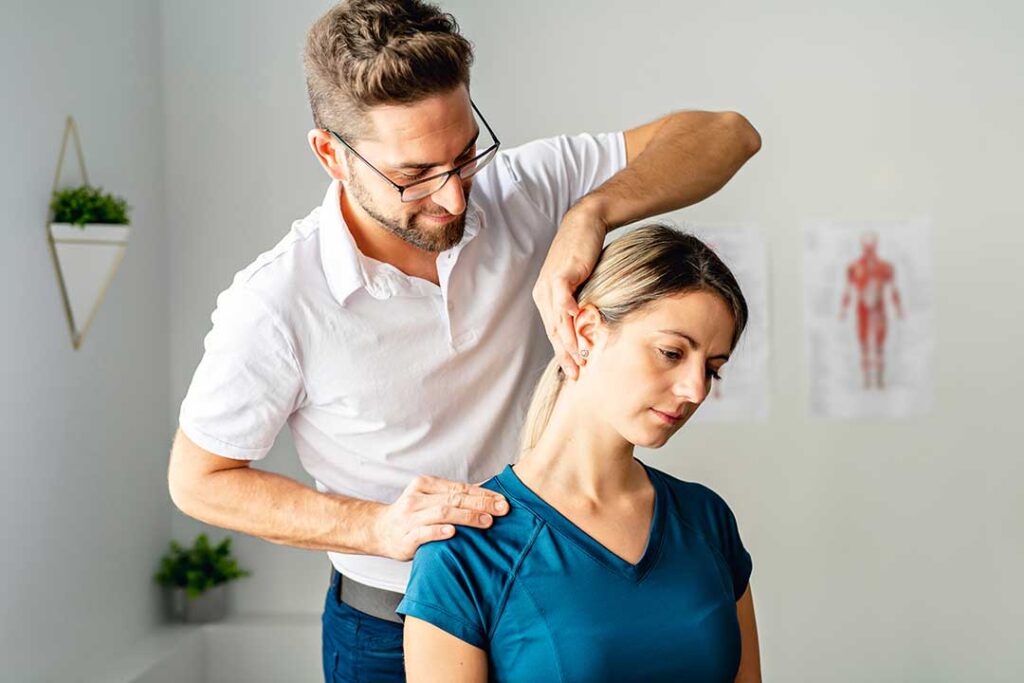
People in Kingsbury, NY often compare chiropractic care and massage therapy when dealing with back pain, neck tension, muscle soreness, or reduced mobility. The two approaches can overlap, but they are not the same. Chiropractic care generally focuses on joints, movement, and the relationship between the spine and the nervous system, while massage therapy primarily works with muscles and other soft tissues.
Neither approach is automatically the right choice for every problem. The most appropriate option depends on the source of symptoms, the person’s health history, and whether the goal is improved movement, reduced muscle tension, relaxation, or short-term pain relief.
What is the main difference between chiropractic care and massage therapy?
The central difference is what each approach primarily assesses and treats.
Chiropractic care commonly includes an examination of spinal and joint movement. Treatment may involve manual therapy, mobilization, spinal manipulation, exercise guidance, or other techniques intended to improve musculoskeletal function. Spinal manipulation uses a controlled force to move a joint, while mobilization uses slower or gentler movement within the joint’s normal range. ([nccih.nih.gov](https://www.nccih.nih.gov/health/spinal-manipulation-what-you-need-to-know?utm_source=openai))
Massage therapy uses hands-on techniques applied to muscles and soft tissues. Depending on the method, pressure may be light, moderate, or deep. The purpose may include reducing muscle tightness, supporting relaxation, easing soreness, or temporarily improving comfort and movement. Massage does not typically involve a thrusting movement of the spine.
The distinction is not absolute. Some chiropractic practices include soft-tissue work, and some massage therapists use techniques that affect movement around joints. The training, clinical scope, assessment process, and primary treatment goals remain different.
How does each approach address back or neck pain?
Both approaches may be used for certain types of back or neck discomfort, but they may be most useful in different situations.
Chiropractic care may be considered when symptoms appear connected to restricted joint movement, mechanical back pain, or difficulty with spinal motion. Research summarized by the National Center for Complementary and Integrative Health indicates that spinal manipulation may provide modest improvements in pain and function for some people with acute or chronic low-back pain. ([nccih.nih.gov](https://www.nccih.nih.gov/health/spinal-manipulation-what-you-need-to-know?utm_source=openai))
Massage therapy may be helpful when symptoms are strongly associated with tight, overworked, or tender muscles. For example, a person who spends long periods sitting, performs repetitive lifting, or experiences shoulder tension during stressful periods may notice temporary relief from soft-tissue treatment. Evidence for massage and low-back pain varies by condition and duration, and relief is not guaranteed. ([nccih.nih.gov](https://www.nccih.nih.gov/health/low-back-pain-and-complementary-health-approaches-what-you-need-to-know?utm_source=openai))
Pain can also have more than one contributor. A person may have both stiff joints and tense muscles. In that situation, either approach might address part of the problem, but neither should be assumed to explain persistent or worsening symptoms without an appropriate assessment.
Does chiropractic treatment involve massage?
Sometimes, but massage is not the defining feature of chiropractic care.
A chiropractic visit may include a health history, movement assessment, orthopedic or neurological screening, manual therapy, and discussion of activity or exercise. Some chiropractors also use soft-tissue techniques before or alongside joint-focused treatment. MedlinePlus notes that chiropractic care may include massage and other soft-tissue work, depending on the practitioner and the patient’s needs. ([medlineplus.gov](https://www.medlineplus.gov/ency/patientinstructions/000416.htm?utm_source=openai))
A massage session may include attention to the muscles near the spine, hips, shoulders, or neck, but that does not make it chiropractic treatment. If the main goal is evaluation and treatment of joint motion, the approach is different from a session centered on muscle pressure and relaxation.
Which option may fit common everyday problems?
The following examples are general, not diagnoses:
- Muscle soreness after gardening, shoveling, moving household items, or seasonal outdoor work: Massage may be more directly focused on tired or tight muscles.
- Stiffness with turning, bending, or getting up from a chair: A joint and movement assessment may be useful, whether the eventual plan includes chiropractic care, exercise, or another form of treatment.
- Stress-related shoulder tension: Massage may help reduce the sensation of tightness, although posture, sleep, work habits, and activity levels also matter.
- Recurring low-back pain: Either approach may be considered, but a broader plan often includes exercise, gradual activity, and evaluation for factors that could require medical attention.
- Pain after a fall, collision, or sudden injury: An injury assessment is more important than choosing between massage and chiropractic treatment based only on symptoms.
In a community with cold winters, snow and ice can also change daily movement patterns. Shoveling, slipping, carrying wet clothing, and spending more time seated indoors may contribute to temporary muscle soreness or stiffness. Those symptoms may improve with appropriate movement and self-care, but sudden, severe, or persistent pain should not be attributed automatically to ordinary seasonal strain.
Are chiropractic care and massage therapy safe?
Both approaches are generally considered reasonably safe for healthy people when performed appropriately, but safety depends on the technique and the individual’s medical history. Pregnancy, osteoporosis, bleeding disorders, recent surgery, cancer, infection, blood-clotting concerns, and certain neurological or vascular conditions may affect whether a treatment should be modified or avoided. ([nccih.nih.gov](https://www.nccih.nih.gov/health/chronic-pain-and-complementary-health-approaches-usefulness-and-safety?utm_source=openai))
Massage can sometimes cause temporary soreness, bruising, or increased tenderness, particularly after deeper pressure. People using blood-thinning medication or those with fragile skin or circulation problems should discuss safety before receiving vigorous treatment.

Spinal manipulation can also cause temporary soreness, stiffness, headache, or increased discomfort. Serious complications are considered very rare, but serious neurological problems and strokes involving neck arteries have been reported. Neck manipulation deserves particular caution, especially for someone with relevant medical or vascular risk factors. ([nccih.nih.gov](https://www.nccih.nih.gov/health/spinal-manipulation-what-you-need-to-know?utm_source=openai))
A practitioner should know about medications, recent injuries, surgeries, chronic conditions, pregnancy, and changes in symptoms before treatment begins.
When should pain be medically evaluated first?
Hands-on care should not delay medical evaluation for warning signs. Prompt medical attention is appropriate for symptoms such as:
- New weakness, numbness, or loss of coordination
- Loss of bladder or bowel control
- Severe pain after a fall or other trauma
- Fever, unexplained weight loss, or feeling acutely ill
- Chest pain, shortness of breath, or pain spreading into the jaw or arm
- A severe or unusual headache, fainting, confusion, or sudden vision changes
- Pain that is rapidly worsening or unrelated to movement
Massage therapy and chiropractic care are generally directed at musculoskeletal concerns. They are not substitutes for diagnosing infection, fracture, nerve compression, heart or lung problems, or other serious conditions.
How can someone choose between them?
Start with the desired outcome and the pattern of symptoms. A person mainly seeking relief from muscle tightness or stress may lean toward massage therapy. Someone concerned about restricted joint movement, recurring mechanical pain, or changes in mobility may prefer an evaluation focused on the spine and joints.
It is also reasonable to ask what the treatment will involve, what side effects are possible, how progress will be judged, and what alternatives exist. A sound plan should include stopping or changing treatment if symptoms worsen.
For many people, hands-on treatment works best as one part of a broader approach that may include walking, strengthening, mobility exercises, sleep improvements, ergonomic changes, and appropriate medical care. The key difference is not that one method is universally superior; it is that chiropractic care and massage therapy address different tissues, use different techniques, and may serve different purposes.
