
 See Our Latest Article on HelloNation
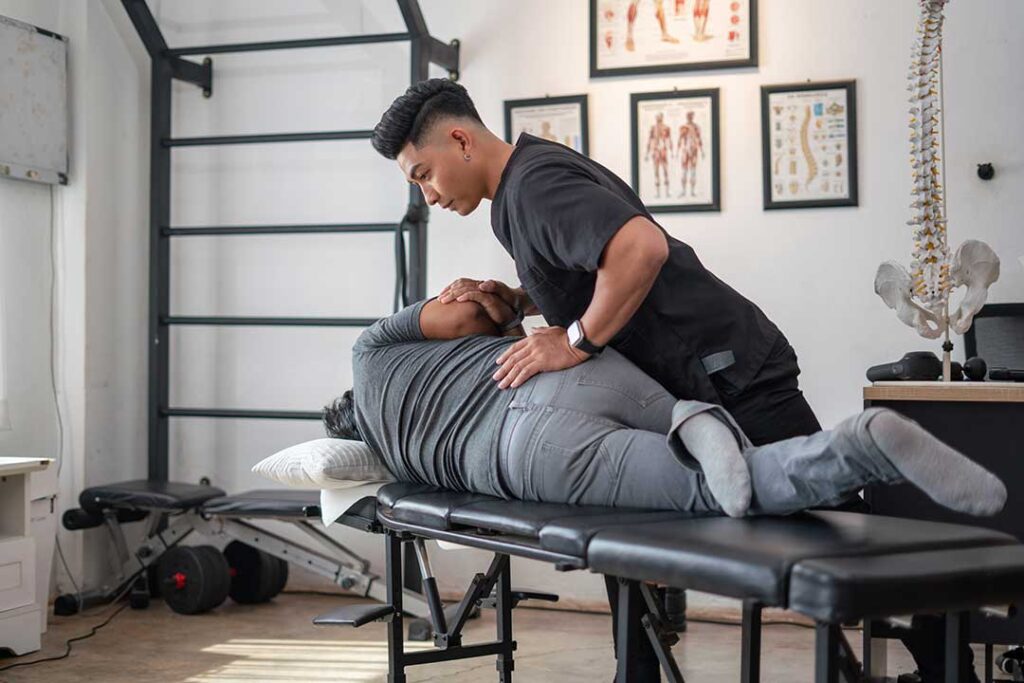
What does spinal health have to do with quality of life?
Spinal health affects how comfortably a person moves, rests, works, and participates in everyday activities. A healthy spine is not necessarily a perfectly straight or pain-free spine; it is a spine supported by functioning muscles, joints, discs, nerves, and movement patterns that allow a person to live normally.
For residents of Kingsbury, NY, spinal health can influence practical routines such as driving, sitting at work, caring for children, shoveling snow, gardening, lifting household items, or walking on uneven ground. When back or neck symptoms become persistent, even simple tasks may require extra planning.
Low back pain is especially significant because it can restrict movement, interfere with sleep, affect mood, and reduce participation in work, family, and community activities. The World Health Organization identifies low back pain as a leading cause of disability worldwide. ([who.int](https://www.who.int/news-room/fact-sheets/detail/low-back-pain?utm_source=openai))
How can spinal problems affect daily movement?
Pain, stiffness, weakness, or limited joint motion can change the way a person moves. Someone with back discomfort may avoid bending, walking, lifting, or turning. Over time, avoiding movement can reduce strength and confidence, making ordinary activities feel more demanding.
The spine works with the hips, pelvis, shoulders, muscles, and nervous system. The lower back, for example, helps support the upper body and transfer forces between the trunk and legs. Discs provide cushioning between vertebrae, while muscles and ligaments help control movement. Nerves connected to the spinal cord carry signals that influence sensation and muscle activity. ([ninds.nih.gov](https://www.ninds.nih.gov/sites/default/files/migrate-documents/low_back_pain_20-ns-5161_march_2020_508c.pdf?utm_source=openai))
A problem does not always need to be severe to affect quality of life. Mild pain that occurs every time a person rises from a chair may gradually reduce activity. Repeated discomfort during lifting may lead someone to stop exercising, avoid social events, or depend more heavily on others for household tasks.
Why does back or neck pain sometimes affect sleep and mood?
Pain and sleep influence each other. Discomfort may make it difficult to find a comfortable position, stay asleep, or turn over in bed. Poor sleep can then make pain feel more intense and reduce patience, concentration, and energy the next day.
Persistent pain can also create worry. A person may wonder whether movement is causing damage or whether symptoms will interfere with work and family responsibilities. Anxiety, depression, and long-term sleep problems are associated with more frequent or severe back pain, according to the National Institute of Arthritis and Musculoskeletal and Skin Diseases. ([niams.nih.gov](https://www.niams.nih.gov/health-topics/back-pain?utm_source=openai))
This does not mean that pain is “just psychological.” Pain is a real physical experience influenced by tissues, nerves, sleep, stress, activity, and a person’s environment. A complete approach considers these factors together rather than treating the spine as an isolated structure.
Does posture cause all spinal pain?
No. Posture can contribute to discomfort, but there is no single perfect posture that prevents all back or neck problems. Sitting for long periods, working in awkward positions, or repeatedly bending and twisting may increase strain for some people. However, pain can also occur in people with generally good posture.
A more useful goal is to vary positions and build tolerance for normal activities. Helpful habits may include:
- Changing position regularly instead of remaining seated or standing for hours.
- Keeping frequently used household items at a manageable height.
- Using the legs and hips, rather than rounding the back alone, when lifting.
- Taking short movement breaks during desk work or long drives.
- Increasing exercise gradually after a period of inactivity.
National Institutes of Health guidance generally favors remaining active within tolerance rather than prolonged bed rest. Physical activity can be increased gradually while avoiding movements that clearly worsen symptoms. ([niams.nih.gov](https://www.niams.nih.gov/health-topics/back-pain/diagnosis-treatment-and-steps-to-take?utm_source=openai))
What local habits can place extra demand on the spine?
Seasonal tasks can expose the back and neck to sudden or unfamiliar loads. In a community where residents may manage snow removal, outdoor maintenance, gardening, home repairs, or firewood, the risk often comes from doing too much too quickly rather than from one specific movement.
Common examples include lifting a heavy object while twisting, shoveling for a long period without breaks, carrying uneven loads, or returning to strenuous yard work after months of relative inactivity. Cold weather may also make muscles feel stiffer before activity begins, although cold itself does not automatically cause injury.
A safer approach is to warm up with several minutes of easy movement, use smaller loads, alternate tasks, and stop before fatigue significantly changes lifting technique. For recurring symptoms, recording which activities trigger pain can help identify patterns without assuming that one movement is the sole cause.
Can chiropractic care be part of spinal health management?
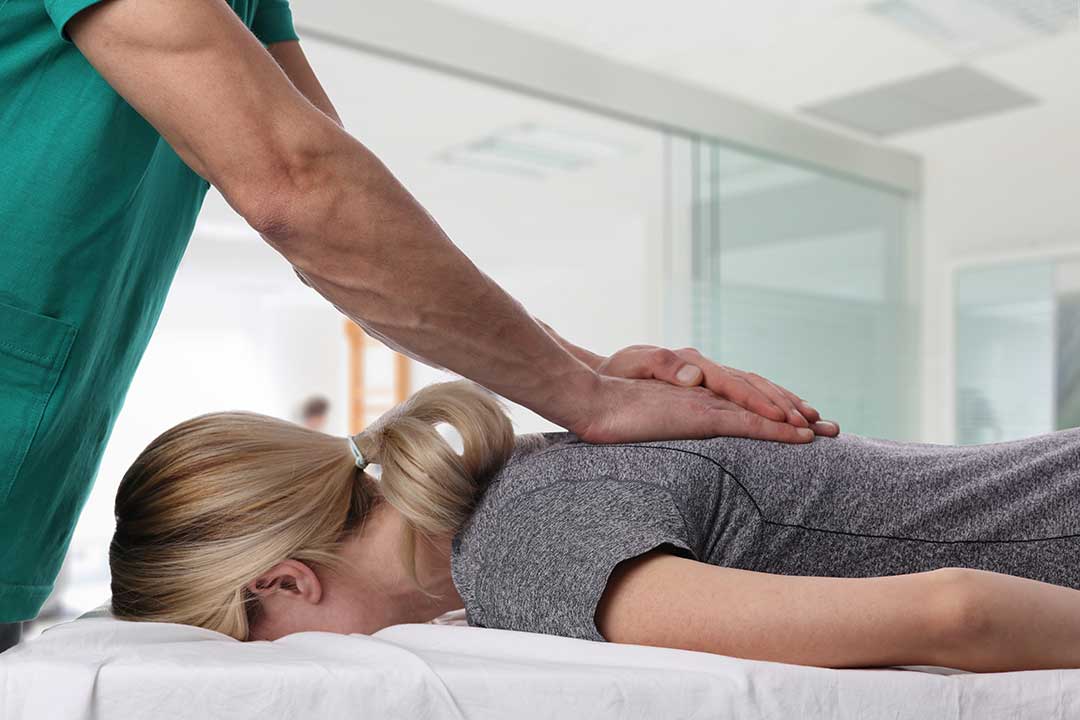
Chiropractic care is one form of conservative care that may include spinal manipulation, exercise guidance, movement education, and advice about daily activities. Evidence summarized by the National Center for Complementary and Integrative Health suggests spinal manipulation may provide small improvements in pain and function for some people with chronic low back pain. Function includes activities such as walking, standing, sleeping, and completing household tasks. ([nccih.nih.gov](https://www.nccih.nih.gov/health/tips/things-to-know-about-chronic-low-back-pain-and-complementary-health-approaches?utm_source=openai))
The World Health Organization’s guidance for chronic primary low back pain emphasizes person-centered, nonsurgical care. Recommended approaches may include education, exercise programs, selected physical therapies, psychological support, and appropriate medication, depending on the individual’s circumstances. The guidance also cautions against assuming that one intervention works for everyone. ([who.int](https://www.who.int/publications-detail-redirect/9789240081789?utm_source=openai))
Spinal manipulation is not appropriate for every symptom or every person. A careful evaluation should consider medical history, injuries, neurological symptoms, osteoporosis risk, medications, and other health conditions. Care should also be coordinated when symptoms suggest a need for medical, neurological, or surgical assessment.
When should back or neck symptoms be evaluated promptly?
Most episodes of uncomplicated low back pain improve over time, but some symptoms require urgent attention. Prompt medical evaluation is appropriate after major trauma or when pain is accompanied by signs such as:
- New or progressive weakness in the legs or arms.
- Loss of bladder or bowel control.
- Numbness in the area around the inner thighs or buttocks.
- Fever, chills, or signs of infection.
- Unexplained weight loss or a history of cancer.
- Severe, unrelenting, or rapidly worsening pain.
These features can indicate conditions that require more than routine self-care. The CDC’s clinical resources identify fracture, infection, tumor, and compression of the nerves supplying the lower body among situations that may warrant further investigation. ([stacks.cdc.gov](https://stacks.cdc.gov/view/cdc/190650/cdc_190650_DS1.pdf?utm_source=openai))
What does good spinal health look like in everyday life?
Good spinal health is reflected in function: being able to move through ordinary tasks, sleep reasonably well, maintain strength, and participate in meaningful activities without persistent limitation. It does not require avoiding all discomfort or eliminating every structural change seen on an imaging study.
A practical plan usually includes regular movement, gradual strengthening, adequate sleep, reasonable lifting habits, and attention to symptoms that persist or worsen. For local households, that may mean pacing seasonal chores, taking movement breaks during work or travel, and returning to exercise progressively rather than attempting to “make up” for inactivity in one session.
The most useful measure is not whether the spine looks perfect on a scan. It is whether the person can safely do the activities that matter to daily life.
