
 See Our Latest Article on HelloNation
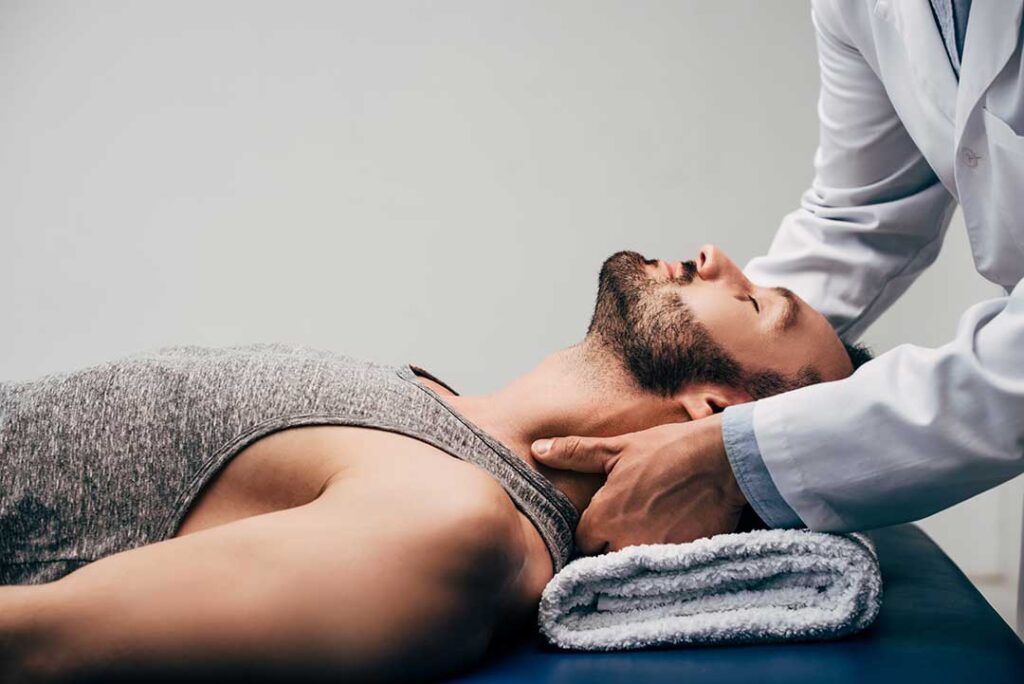
What Is the Graston Technique?
The Graston Technique is a form of manual therapy that chiropractors and other health professionals use to detect and treat soft tissue restrictions. By using specially designed stainless steel instruments, practitioners aim to help improve mobility and reduce pain.
This method focuses on conditions involving muscles, tendons, and ligaments—common concerns for local residents who enjoy outdoor activities or have jobs involving repetitive motions.
How Does the Graston Technique Work?
The approach is straightforward: practitioners apply gentle to moderate pressure using instruments that glide over the skin. This action helps identify areas where tissue feels tight or less flexible.
As the tools run across affected areas:
- Practitioners may sense grittiness or irregularities, which can signal underlying tissue restrictions.
- The technique helps break down scar tissue and fascial adhesions—bands of painful, stiff tissue that develop after injury, surgery, or repetitive strain.
This controlled stimulation is thought to trigger the body's healing response, encouraging blood flow and tissue remodeling. Patients might notice slight redness or temporary soreness, which is normal and generally subsides within a day or two.
What Conditions Are Often Addressed with This Technique?
In Kingsbury, where community members face a mix of active lifestyles and sedentary occupations, the Graston Technique is frequently included as part of care plans for:
- Tendonitis (such as tennis or golfer’s elbow)
- Plantar fasciitis (foot/heel pain)
- Carpal tunnel syndrome
- Scar tissue from injuries or surgeries
- Chronic muscle pain or stiffness in the neck, back, or shoulders
Using this method may help restore flexibility and reduce discomfort, especially for individuals who find that stretching or massage alone hasn’t fully addressed their symptoms.
Is the Graston Technique Painful or Invasive?
Most people do not find the Graston Technique overly painful, but it can sometimes cause mild discomfort during or shortly after treatment. The pressure is adapted to individual tolerance, and communication with the provider ensures the process stays within a comfortable range.
Common sensations include:
- A feeling of friction as the instrument passes over areas of tension
- Mild tenderness similar to what’s felt after a deep-tissue massage
- Occasional light bruising, which fades within a few days
The technique is not invasive—there are no injections or incisions involved.
Who Might Benefit Most from Instrument-Assisted Soft Tissue Therapy?
Those experiencing chronic pain, stiffness, or restricted movement after an injury may find that traditional stretching, exercise, or even massage don’t always reach deeper layers of tissue. In these cases, instrument-assisted therapy like the Graston Technique offers another option.
Practical examples relevant to the area include:
- Gardeners and landscapers managing repetitive strain in wrists or elbows
- Office workers experiencing shoulder or forearm discomfort from computer work
- Home renovators with lingering muscle stiffness from physical labor

However, conditions involving bone fractures, open wounds, or certain systemic infections would not be candidates for this method. It’s important for care to start with an individualized assessment to rule out these exclusions.
What Should Residents Expect During a Session?
Sessions typically last between 10 to 30 minutes, depending on the area being treated. Providers may start by warming up the treatment area with gentle stretching or light activity. After the instrument-assisted work, additional stretches or exercises might be recommended at home to support ongoing recovery.
Many people notice improved flexibility and reduced discomfort after several sessions, though outcomes vary. Soreness, if any, generally lessens over time as the tissue adapts.
Are There Common Misconceptions About the Graston Technique?
A few misunderstandings circulate, especially among those unfamiliar with instrument-assisted therapies:
- It does not “break bones” or cause permanent bruising—bruising is not the goal, and excessive force should not be used.
- This approach is not reserved only for athletes; ordinary household and workplace strains may benefit as well.
- The technique does not replace the need for movement and at-home care—it’s most effective when paired with exercise and ergonomic adjustments.
How Does Seasonal Life in the Area Affect Soft Tissue Injuries?
Weather patterns in Kingsbury, with cold winters and active summer months, can influence soft tissue health:
- Winter ice and snow create slip hazards, with strains more common during shoveling, de-icing, or quick movements to prevent falls.
- Warmer months often mean gardening, sports, or DIY projects, increasing the risk of repetitive motion injuries or tendon problems.
Recognizing how these patterns affect the body may help residents understand why soft tissue restrictions flare up or persist across different times of year.
What Else Should the Community Know?
The Graston Technique is one of several established manual therapy methods used in contemporary chiropractic care for soft tissue injuries. While it can play a significant role in personalized treatment plans, it should be understood as a tool—most effective when combined with education, proper movement, and self-care practices suitable for everyday household and work scenarios.
