
 See Our Latest Article on HelloNation
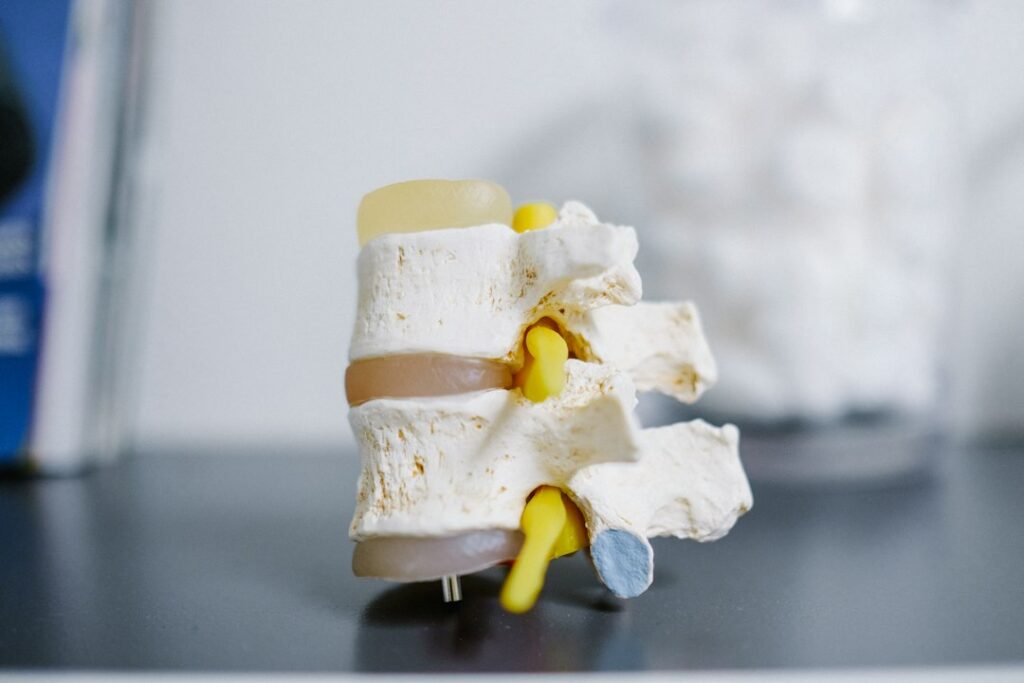
Spinal adjustments are controlled manual movements applied to joints of the spine. They may temporarily change joint motion, muscle activity, and how the nervous system processes pain. The goal is not to “put a bone back into place” in the way that phrase is sometimes used casually. A more accurate explanation is that an adjustment applies a specific force to a restricted or painful area to influence movement and comfort.
For residents of Kingsbury, NY, understanding the science can make it easier to distinguish evidence-based information from common claims about chiropractic care.
What happens during a spinal adjustment?
A spinal adjustment, also called spinal manipulation, usually involves positioning part of the body and applying a brief, controlled thrust. The movement may be directed toward a spinal joint that feels stiff, painful, or limited during an examination.
Some techniques use a quick, low-amplitude thrust. Others use slower pressure or repeated movements. Gentle mobilization is different from manipulation because it stays within a joint’s available range and does not use the same type of rapid impulse.
The familiar popping or cracking sound is caused by a rapid change in pressure within a joint. It is not a bone breaking, and the sound is not proof that an adjustment was successful. An adjustment can be effective without producing an audible noise.
Does an adjustment realign the spine?
Usually, not in the dramatic sense suggested by the word “realignment.” Spines naturally have small differences in posture, shape, and movement. A single adjustment does not permanently straighten the spine or correct every structural variation.
Research suggests that the immediate effects are more likely to involve:
- A short-term increase in joint movement
- Changes in muscle tension or reflex activity
- Altered sensitivity in pain-processing pathways
- Improved confidence with movement
- Temporary changes in how a person feels and moves
Long-term improvement generally depends on more than passive treatment. Sleep, physical activity, strength, work demands, stress, previous injuries, and general health can all affect back or neck symptoms.
How might spinal adjustments reduce pain?
Pain is produced by the nervous system, not by one structure alone. Muscles, joints, discs, nerves, and surrounding tissues can all contribute to discomfort. The brain also considers movement, threat, stress, and previous experiences when interpreting signals from the body.
A spinal adjustment may influence pain through several overlapping mechanisms. Moving a stiff joint can stimulate sensory receptors in the surrounding tissues. Those signals may temporarily change the way the spinal cord and brain respond to painful input. Reduced muscle guarding may also make movement feel easier.
There may be a mechanical component, but the effect is not purely mechanical. Many people feel better after active movement, exercise, massage, heat, reassurance, or hands-on care because several systems affecting pain are changing at the same time.
Scientists continue to study exactly how these effects occur. No single explanation accounts for every person’s response.
What conditions may respond to spinal manipulation?
The strongest evidence generally concerns some forms of low back pain and neck pain, particularly when symptoms are not caused by a serious underlying disease. Studies suggest that spinal manipulation may provide modest, short-term improvements in pain and physical function for certain people.
That does not mean it works for everyone or that it is superior to all other treatments. Exercise, education, staying active, sleep improvement, medication when appropriate, and other forms of physical therapy may also be useful. In many cases, a combination of approaches is more practical than relying on one technique.
Spinal adjustments are not a cure for every cause of pain. They should not be used as a substitute for urgent evaluation when symptoms suggest infection, fracture, cancer, severe nerve compression, or another serious condition.
Why does treatment sometimes feel better immediately?
Immediate relief can result from several factors working together. Joint motion may improve, muscle tension may decrease, and the nervous system may become less protective of the area. A person may also move more confidently after learning that movement is safe.
This relief can be meaningful, but it does not necessarily show that a joint was “out of place” or that a permanent correction occurred. Symptoms can improve while the underlying factors that contributed to them—such as prolonged sitting, repetitive lifting, reduced conditioning, or poor sleep—remain.
For households dealing with winter shoveling, icy walking surfaces, long drives, home repairs, or seasonal increases in outdoor work, these everyday stresses may be more relevant than the idea of a single misaligned vertebra.
Are spinal adjustments safe?
For most appropriately selected adults, spinal manipulation is associated with temporary side effects more often than serious complications. Mild soreness, stiffness, fatigue, or a headache may occur and often settles within a day or two.

Serious complications are uncommon, but they can occur. Neck manipulation has been discussed in connection with rare injuries to arteries in the neck. Research has not established a simple cause-and-effect relationship in every case, because the underlying neck problem itself may be related to the risk. Even so, this potential risk should be part of an informed decision.
Extra caution is appropriate for people with severe osteoporosis, recent fractures, known spinal instability, certain cancers, serious neurological symptoms, bleeding disorders, or a history that increases the risk of vascular injury.
What symptoms require medical evaluation first?
Back or neck pain should be evaluated promptly if it occurs with:
- New loss of strength in an arm or leg
- Worsening numbness or loss of sensation
- Difficulty walking or coordinating movement
- Loss of bladder or bowel control
- Fever, unexplained weight loss, or severe illness
- Major trauma, such as a fall or vehicle collision
- Sudden, severe headache or unusual neurological symptoms
These signs may indicate a problem that requires medical assessment rather than routine manual care. Sudden neck pain followed by dizziness, double vision, difficulty speaking, facial weakness, or trouble walking is an emergency.
What should a careful assessment include?
A responsible evaluation begins with a health history and physical examination. It should consider the location and duration of symptoms, prior injuries, medications, medical conditions, work and household demands, and warning signs.
Imaging is not automatically necessary for ordinary back or neck pain. It may be considered when the history or examination suggests fracture, serious disease, significant nerve involvement, or another condition where imaging could change care.
A clear explanation should also include what the adjustment is intended to do, what alternatives exist, what side effects may occur, and how progress will be judged. Improvement should be measured by practical function—such as walking, sleeping, lifting, or turning the head—not only by whether a joint produces a popping sound.
What is the most accurate way to view spinal adjustments?
Spinal adjustments are best understood as one possible tool for managing selected musculoskeletal pain, not as a universal correction for the body. They may help reduce pain and improve movement for some people, especially when combined with active strategies that build confidence and physical capacity.
The science supports cautious, individualized use. It does not support claims that every illness comes from spinal misalignment, that adjustments permanently reposition the entire spine, or that more treatment is always better. For local residents, the most useful question is not whether an adjustment sounds impressive, but whether it is appropriate for the specific symptoms, risks, goals, and daily activities involved.
